
Man vs. Nature: The Sea as Adversary
The Old Man and the SeaThe sea is portrayed as a powerful, indifferent force that Santiago must contend with, both physically and spiritually.
increasing Bearing strength in each event
 decreasing
Bearing strength in each eventdecreasingThe Sea's Beauty and Cruelty
The Sea's Beauty and Cruelty
A Dual Nature
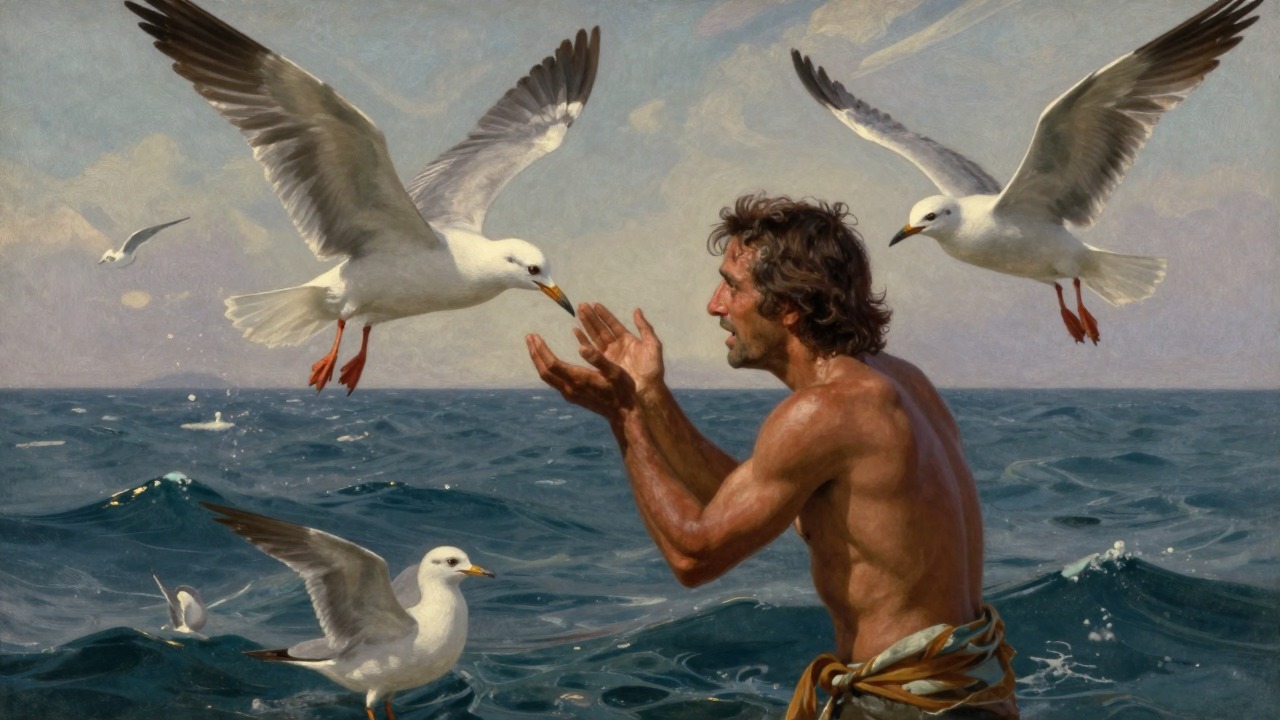
Santiago thinks of the sea as la mar, feminine and capricious. She can be kind and beautiful, but also cruel. He loves her, but he knows she can turn suddenly. The sea is both a provider and a destroyer.
The Birds' Struggle
He pities the delicate birds that struggle to find fish. The ocean is too harsh for them. This reflects the sea's indifference to life.
This sets the stage for the conflict between man and nature.
The Storm of the Battle
The Storm of the Battle
Physical Hardship
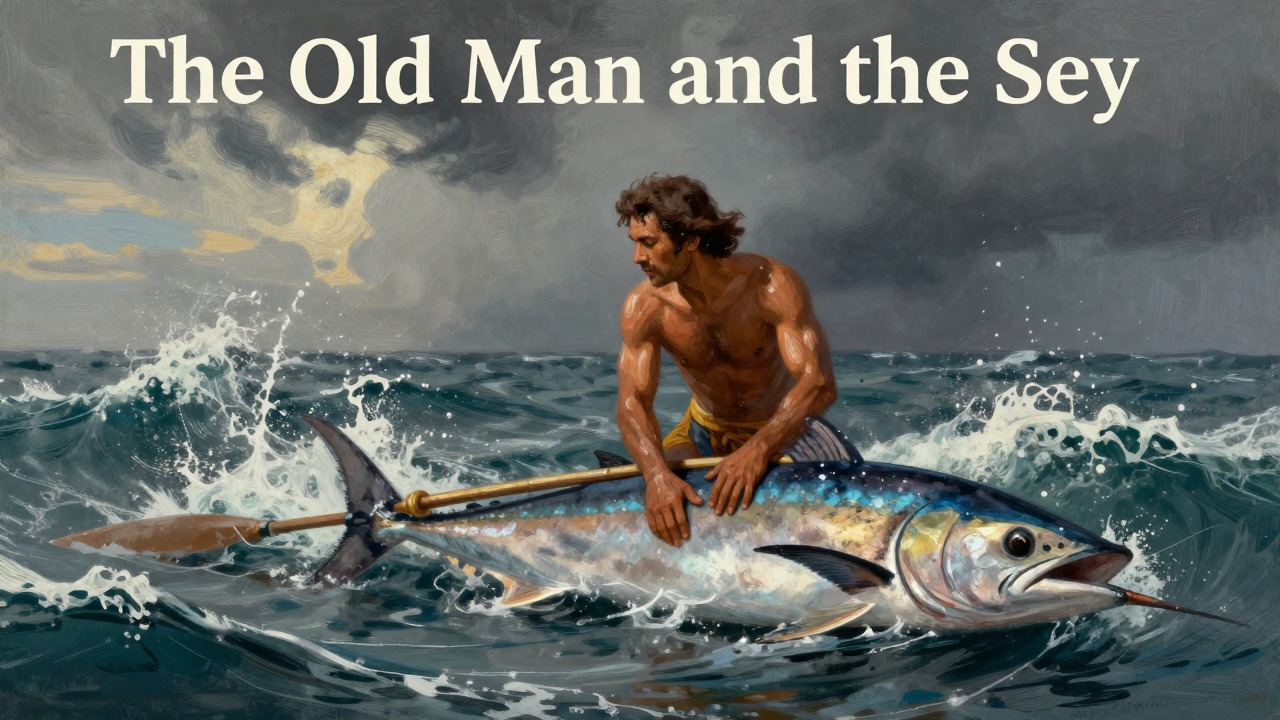
The sea provides the arena for the fight. The current, the wind, the waves all affect the struggle. Santiago must use the sea's forces to his advantage. He rows, drifts, and sails.
The Sea's Power
The fish uses the depth and currents to its advantage. The sea is an extension of the fish's strength. Santiago must overcome not just the fish, but the entire environment.
This is a direct conflict with nature.
The Sea's Reclamation
The Sea's Reclamation
The Sharks as Agents
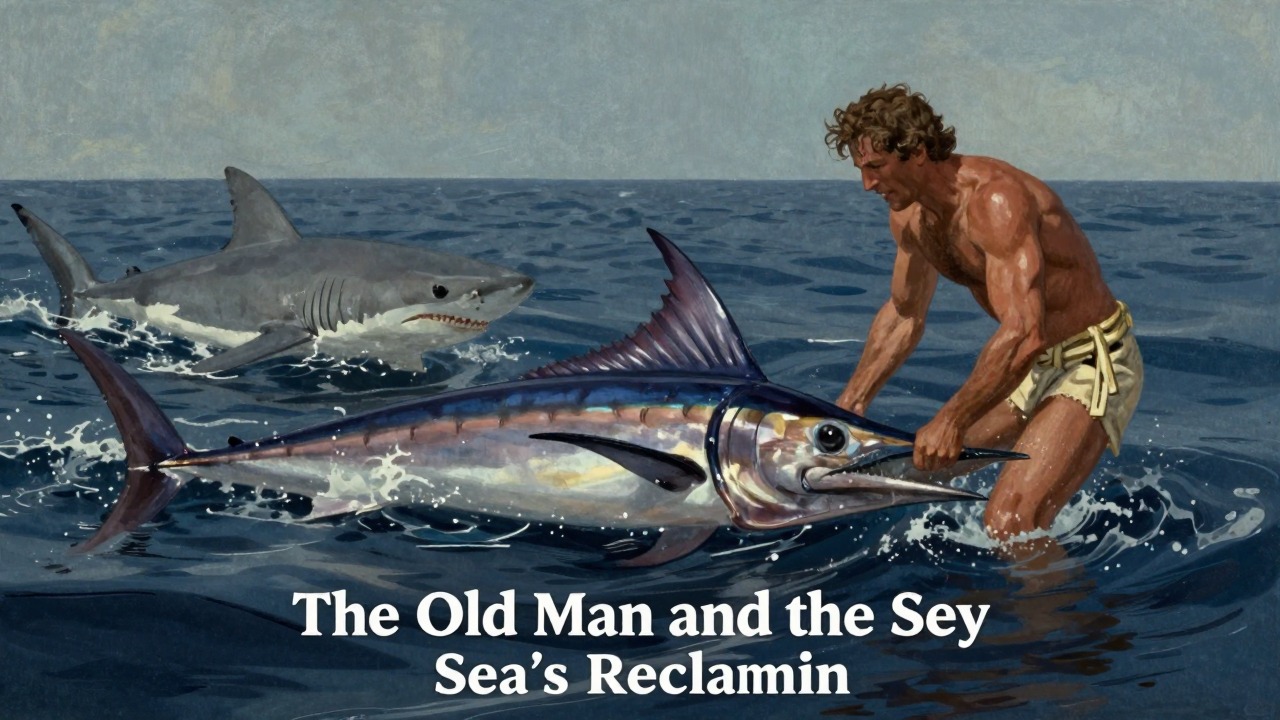
The sharks come from the sea to reclaim the marlin. They are nature's scavengers. Santiago fights them, but the sea is ultimately stronger. The skeleton is all that remains.
The Acceptance
Santiago does not curse the sea. He accepts its laws. He says, "I went out too far." The conflict is not with the sea, but with his own ambition. The sea is the opponent, but also the teacher.
This conflict ends with a truce: Santiago is back on land, but the sea has won the battle.
the first morning at sea
the three days at sea
the shark attacks
